Over the past weeks, we have wandered through the ancestral lanes of Wuyi villages, tracing how kinship, reciprocity, and ritual practice continue to structure rural life in southern China. We have seen how gifts are exchanged not just in celebration but in the renewal of bonds; how ancestral halls are not relics but living institutions;…
ucked in the hills of Guangzhou’s Huanghuagang Cemetery, beside the tombs of seventy-two revolutionary martyrs, rests a name few today recognize—yet one that once soared across continents. Feng Ru (冯如), born in 1884 in the humble village of Xingwei, Enping (恩平杏围村), carved his place in history as the first Chinese aviator and aircraft engineer. He…
The mid-19th century marked a dark yet transformative period in Chinese migration history, dominated by the global coolie trade (苦力贸易). Tens of thousands of laborers, predominantly from Guangdong’s Taishan, Xinhui, and Enping counties, were swept into this exploitative system. Between 1840 and 1874, over 200,000 Chinese workers were shipped to destinations such as Peru, Cuba,…
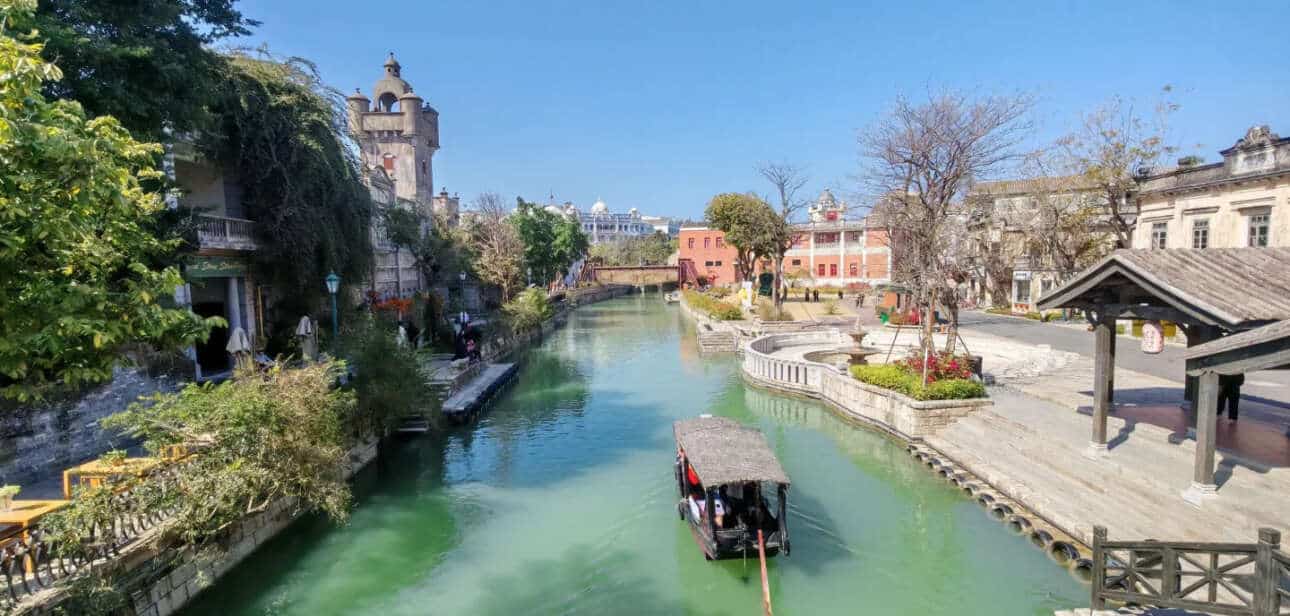
The Hidden Epicenter of Revolution At the southern edge of China, where fertile plains meet the restless waves of the South China Sea, lies Wuyi (五邑)—a region that defied its modest size to become the unseen powerhouse behind the fall of the Qing Dynasty. Comprising Xinhui (新会), Taishan (台山), Kaiping (开平), Enping (恩平), and Heshan…
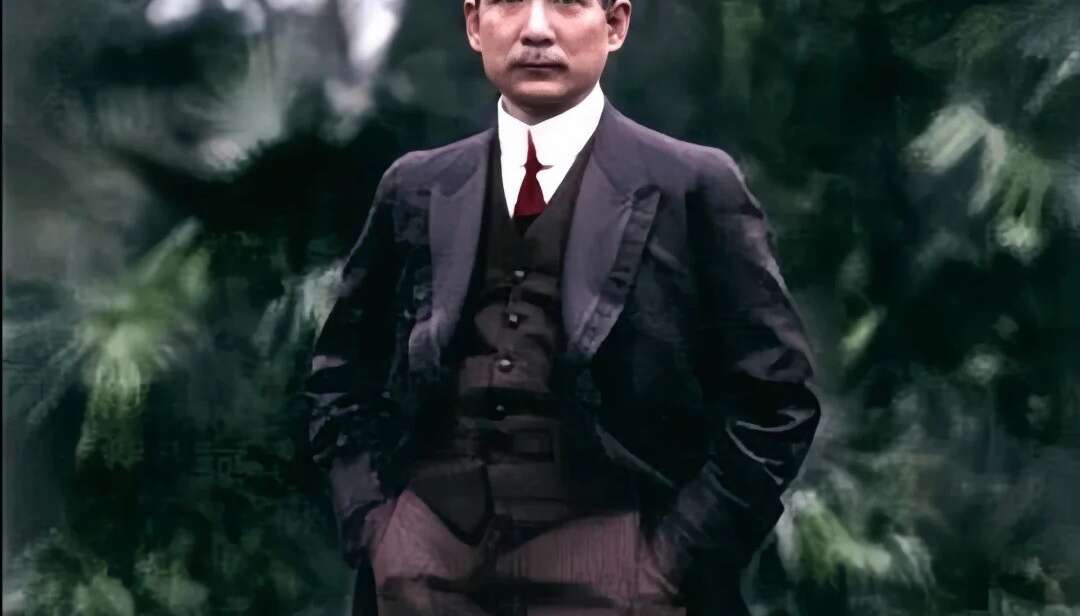
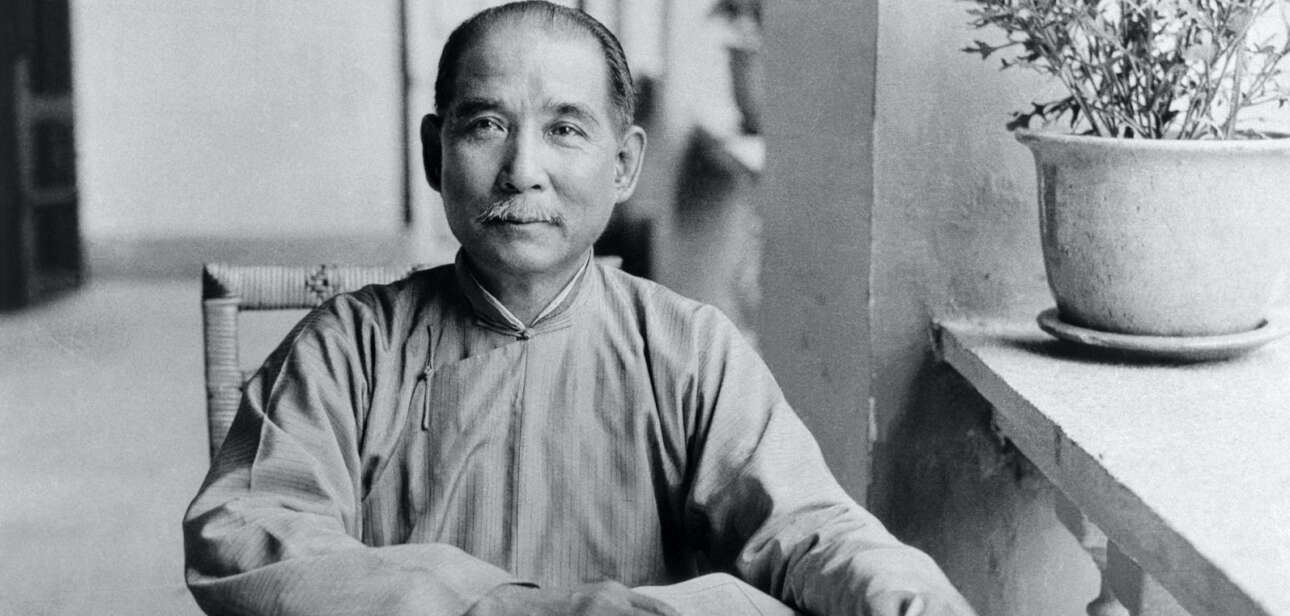
In 1883, I was abruptly withdrawn from my studies at Iolani College in Hawaii and sent back to my ancestral home in Cuiheng Village. My brother, Sun Mei, made this decision after I tore down an image of Guan Yu—a revered deity among Chinese laborers abroad. This act was not merely vandalism but stemmed from…
When I was born on November 12, 1866, the Qing Dynasty had just extinguished the last embers of the Taiping Rebellion . The Taiping Rebellion (1850–1864) was one of the deadliest civil wars in history, led by Hong Xiuquan , a failed scholar who claimed to be the younger brother of Jesus Christ. He sought…
In my lifetime, I’ve had over thirty names. In the United States, people called me Sun Yat-sen; in Japan, most referred to me as Sun Wen. After the Xinhai Revolution, my comrades honored me with the name Sun Zhongshan. At home, my family called me Sun Dixiang—a name steeped in superstition, supposedly because a fortune-teller…
The Guan clan (关氏家族) has a storied history spanning over 700 years—a testament to their resilience, adaptability, and enduring cultural legacy. From their origins as scholar-officials in Fujian Province during the Song Dynasty (960–1279 CE) to their transformation into global citizens, the Guan family has navigated centuries of upheaval, migration, and reinvention. Drawing…