Skip to content Skip to footer

Practical Guide

Practical Guide

The Huangmaohai Cross-Sea Corridor at dusk, the 31-kilometre bridge opened in 2024 that cut the Zhuhai-to-Taishan drive to about 30 minutes.

Getting Around Wuyi: Trains, Buses, and Hiring a Driver for Your Roots Trip

Getting Around Wuyi: Trains, Buses, and Hiring a Driver for Your Roots Trip The Railway the Villagers Built, the Railroad That Brought Them Home For 150 years, the story of Wuyi (五邑, Wǔyì) — the five counties of Kaiping, Taishan, Enping, Xinhui, and Heshan that form Guangdong's great qiaoxiang (侨乡, qiáoxiāng), the "overseas Chinese homeland"…

Read more

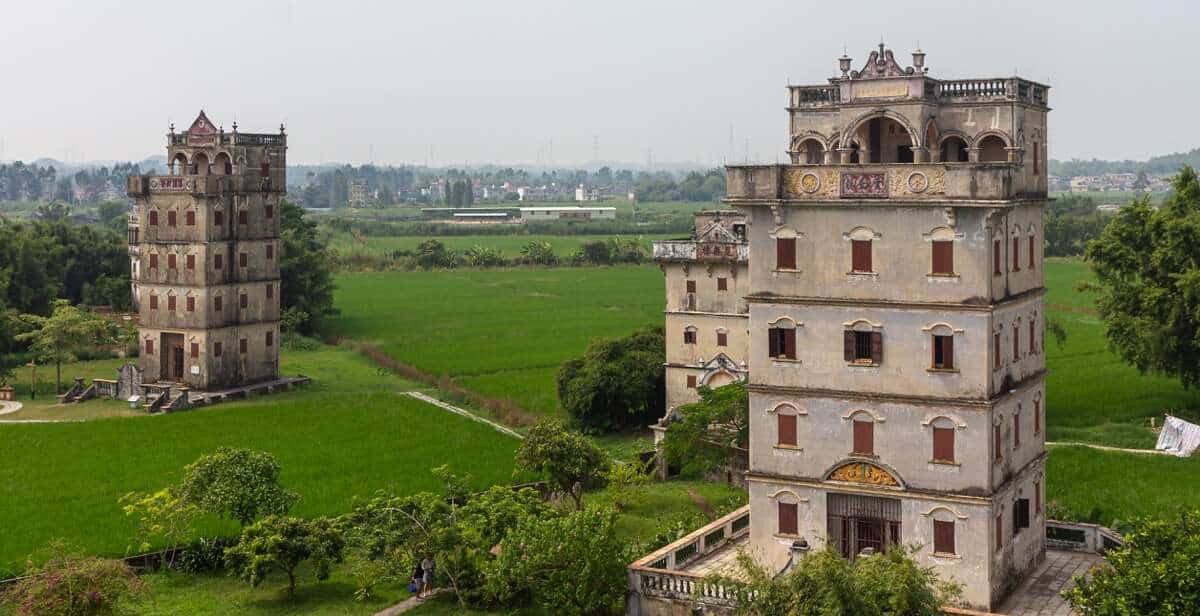
Two Kaiping diaolou, the taller one crowned with an arcaded top-floor loggia, standing amid green fields — the fortified towers that emigrants' remittances built.

Budgeting Your Wuyi Roots Trip: What It Actually Costs

Budgeting Your Wuyi Roots Trip: What It Actually Costs \\nFor over 150 years, money has flowed from overseas Chinese communities back to the Wuyi (\\五\\邑) region of Guangdong province \\— first as remittances that built railroads, schools, and nearly two thousand fortified towers across the countryside, and now as roots-trip spending by diaspora descendants returning…

Read more

Historic Kaiping diaolou watchtower in Zili Village, a UNESCO World Heritage site built by returning overseas Chinese in the early 20th century

Plan Your Wuyi Roots Trip: Visas, Routes, and Getting There

Plan Your Wuyi Roots Trip: Visas, Routes, and Getting There The Five Counties (五邑, Wǔyì) of Wuyi — Taishan (台山), Kaiping (开平), Xinhui (新会), Enping (恩平), and Heshan (鹤山) — sent over two million people overseas between 1840 and 1940, creating one of the largest sustained migrations in modern history. Today, an estimated 1.3 million…

Read more