The Wu (吴) surname is the only major Chinese clan whose founding narrative is not conquest, statecraft, or military genius — but voluntary renunciation. In the 11th century BCE, a Zhou dynasty prince named Taibo (泰伯) looked at the throne he was born to inherit and chose to walk away. He yielded the succession to…

nnWhich Generation Are You? nFor the Guan clan (关, Guān shì), the answer lies in a 32-character generation poem (字诗, zìbèi shī) — a naming system carried across the Pacific, preserved across seven centuries, and shared by every branch of the family from San Francisco to Singapore to Sydney. Unlike a family tree, the poem…
You have a box of old papers. A photograph of a tombstone. Maybe a faded immigration certificate your grandfather kept in a drawer.
And you want to know: Where is my ancestral village?
This guide is not about general advice. It's about what actually works when you're sitting at your kitchen…
Imagine stepping into an ancestral hall (宗祠, zōngcí)—its wooden beams creak under the weight of centuries, yet every inch tells a story. The air carries the faint scent of incense, and on the walls hang scrolls detailing names, dates, and achievements—a living record of your family’s journey through time. For overseas Chinese communities, Chinese genealogy…
The Guan clan (关氏家族) has a storied history spanning over 700 years—a testament to their resilience, adaptability, and enduring cultural legacy. From their origins as scholar-officials in Fujian Province during the Song Dynasty (960–1279 CE) to their transformation into global citizens, the Guan family has navigated centuries of upheaval, migration, and reinvention. Drawing…
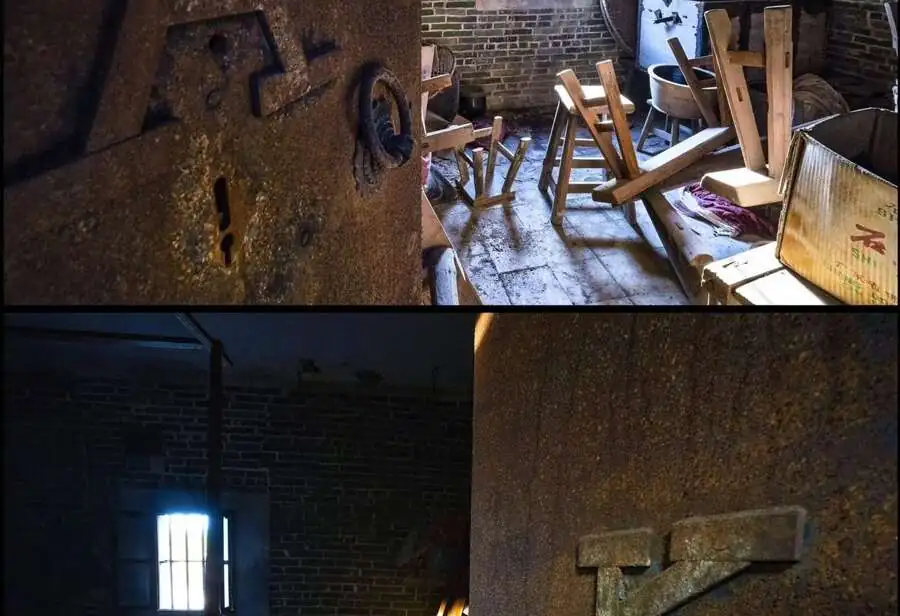
Discover the inspiring journey of the Sze Yup diaspora, a 200-year saga of resilience, heritage, and triumph. From the historic Diaolou watchtowers of Guangdong’s Sze Yup region to the goldfields of Australia and the bustling streets of San Francisco, this article explores how Sze Yup emigrants overcame adversity, preserved their culture, and built thriving communities…