Over the past weeks, we have wandered through the ancestral lanes of Wuyi villages, tracing how kinship, reciprocity, and ritual practice continue to structure rural life in southern China. We have seen how gifts are exchanged not just in celebration but in the renewal of bonds; how ancestral halls are not relics but living institutions;…
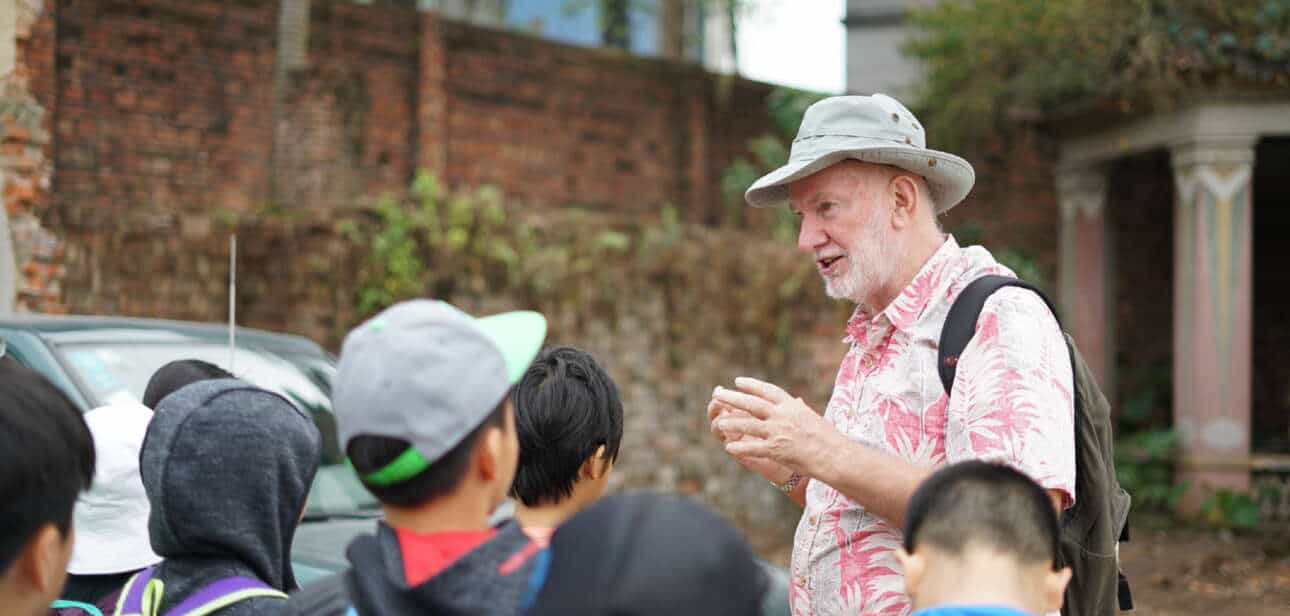
So there I was, sitting in the Four Seasons Restaurant in Kaiping Tangkou (yes, that Four Seasons), when I bumped into Peter Stuckey. Now, Peter’s no ordinary retiree—he’s not out here sipping margaritas on a beach or playing bingo. Oh no. This guy spends his days volunteering at the Tangkou Community Project , jetting back…
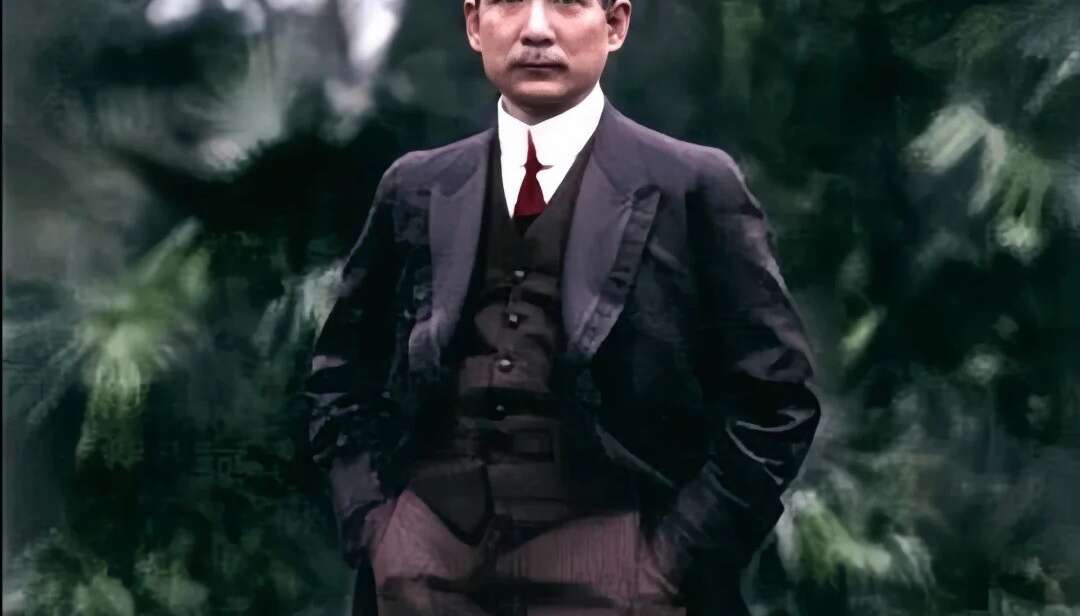
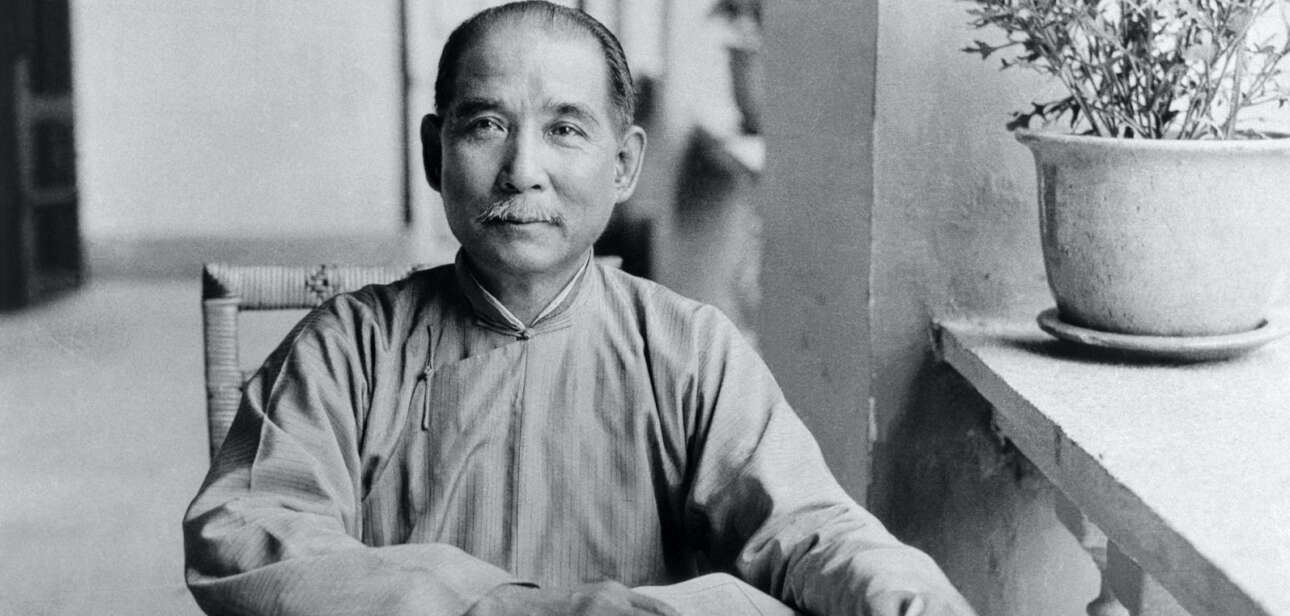
In 1883, I was abruptly withdrawn from my studies at Iolani College in Hawaii and sent back to my ancestral home in Cuiheng Village. My brother, Sun Mei, made this decision after I tore down an image of Guan Yu—a revered deity among Chinese laborers abroad. This act was not merely vandalism but stemmed from…
When I was born on November 12, 1866, the Qing Dynasty had just extinguished the last embers of the Taiping Rebellion . The Taiping Rebellion (1850–1864) was one of the deadliest civil wars in history, led by Hong Xiuquan , a failed scholar who claimed to be the younger brother of Jesus Christ. He sought…
\\n\\t\\t\\t\\t\\n\\t\\t\\t\\t\\t\\t\\n\\t\\t\\t\\t\\t\\t\\n\\t\\t\\t\\t\\t\\n\\t\\t\\t\\n\\t\\t\\t\\t\\t\\t\\n\\t\\t\\t\\t\\t\\t\\t\\t\\tIn my lifetime, I\’ve had over thirty names. In the United States, people called me Sun Yat-sen; in Japan, most referred to me as Sun Wen. After the Xinhai Revolution, my comrades honored me with the name Sun Zhongshan. At home, my family called me Sun Dixiang\—a name steeped in superstition, supposedly because a fortune-teller…