Water Has Ten Thousand Branches but One Source
56|
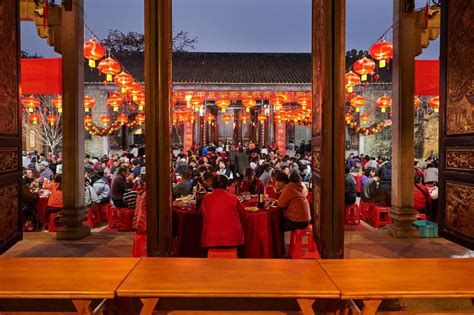
In 1225 on a hillside in northern Guangdong, one man gathered his family and made a pact. His name was 陈辉 (Chén Huī), honorifically called 凤台公 (Fèngtái Gōng, Honorable Fengtai). He was a Song-dynasty jinshi (进士), the highest imperial examination degree, who served as Imperial…
The Longest Dynasty
The Zhou (周) Dynasty ruled China for nearly eight hundred years — longer than the Roman Empire, longer than any European royal house, longer than most civilizations last at all. From 1046 BCE to 256 BCE, the Zhou kings held the Mandate of Heaven (天命, Tiānmìng), the divine right to rule that…
The Liang (梁) Surname: 2,700 Years from Zhou Dynasty State to Wuyi Diaspora
In 770 BCE, King Ping of Zhou enfeoffed a loyal nobleman named Kangbo as the ruler of a small territory in present-day Shaanxi province. He named it the State of Liang (梁国, Liáng Guó). For 129 years, the state endured — a…
For four thousand years, the character 黄 (Huáng) has traveled across the Chinese-speaking world — carved into ancestral tablets in Henan, inked onto qiaopi letters bound for Gold Mountain (金山, Jīnshān), engraved on association plaques in San Francisco, and typed into DNA test profiles by descendants who have never spoken a word of Taishanese. The…
The White Island
The islands rise from the Pacific as white cliffs — not of chalk, not of limestone, but of guano (鸟粪, niǎofèn), the accumulated excrement of millions of seabirds deposited over millennia, thirty to fifty meters deep in places. There is no vegetation. No soil. No fresh water. Only guano, rock, and the…
{{FIG:fig_01}}
One hundred million people alive today carry the surname 李 (Lǐ). If they were a nation, they would be the fourteenth largest on Earth — more populous than Egypt, Vietnam, or Germany. The character appears on mailboxes from San Francisco to Singapore, on tombstones in the goldfields of Ballarat, on business cards in Vancouver,…
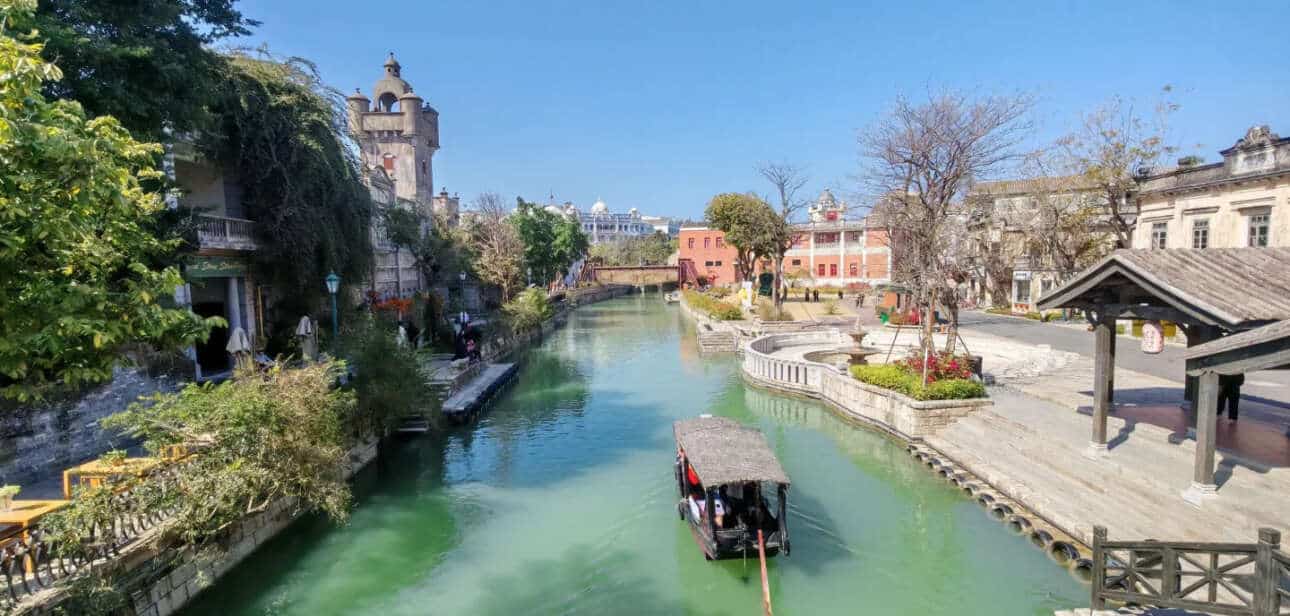
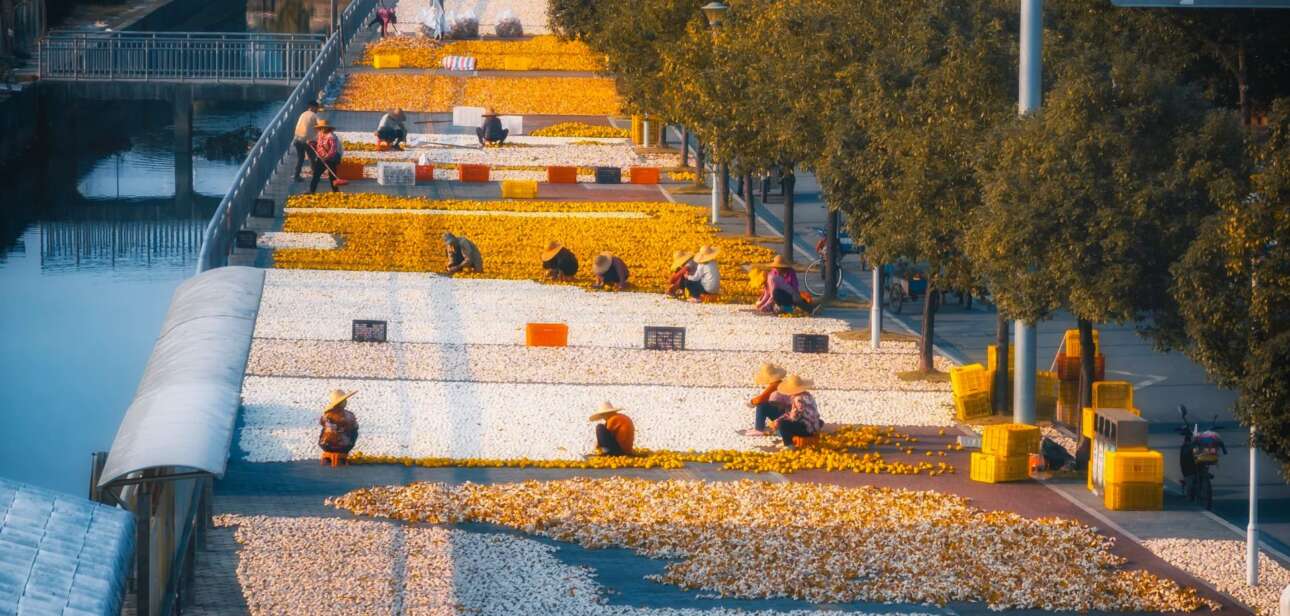
When we think of Chinese village life, stereotypes often arise—"rustic," "backward," or "primitive." Yet, beneath these superficial labels lies a deeply rooted cultural fabric that has sustained communities for generations. This cultural richness is particularly vivid in the Wuyi region, encompassing Taishan, Kaiping, Enping, Xinhui, and Heshan, an area renowned for its deep connections to…
For many, Lingnan is a region—lush, southern, coastal—stretching beyond the Nanling Mountains where rivers meet the sea and dialects shift with the wind. But to those whose roots lie there, Lingnan is not just geography. It is temperament. It is inheritance. It is a way to live. Cut off from the imperial heartland by mountains…
The Wuyi region—comprising Xinhui, Taishan, Kaiping, Heshan, and Enping counties in Guangdong—is renowned for its distinctive culture shaped by centuries of migration and ethnic integration. Situated at the junction between the Pearl River Delta and the rugged hills of western Guangdong, Wuyi’s unique identity is a product of diverse ethnicities and historical narratives merging into…
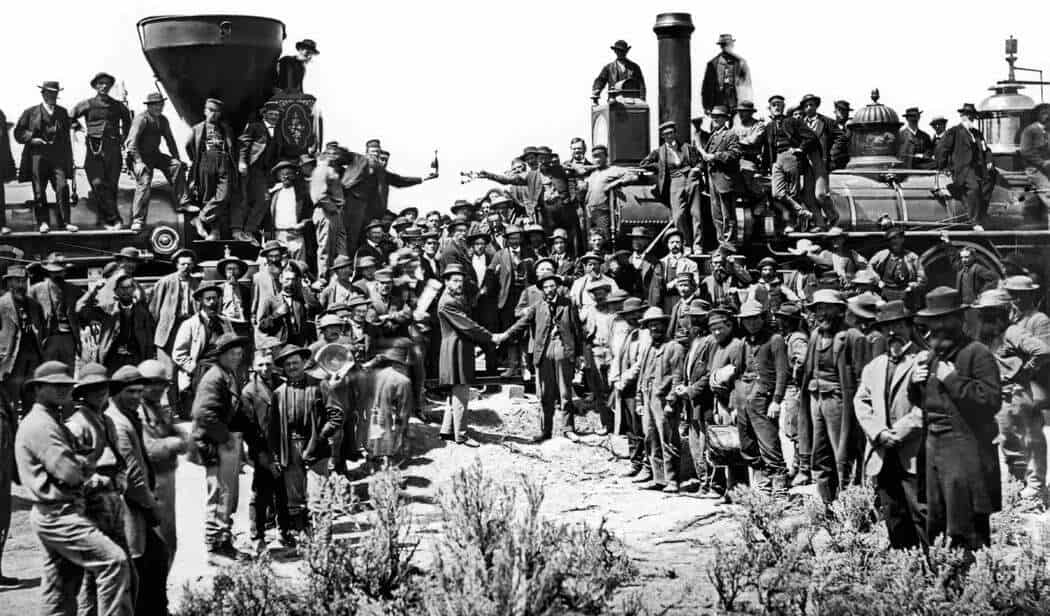
Discover how Wuyi Chinese laborers built the Transcontinental Railroad—then were erased from history in an enduring act of racial exclusion.