Between 1881 and 1944, Chinese arrivals in New Zealand were made to pay a poll tax (人头税, réntóu shuì) — a fee no other migrant faced — a levy that began at £10 and was raised to £100, the equivalent of several years' wages for the labourers it targeted. The tax did not stand alone.…
Wuyi Diaspora
Peruvian Chinese: The Coolie Ships, Chifa, and Latin America's Largest Chinese Community
Between 1849 and 1874, somewhere between ninety thousand and one hundred and twenty thousand Chinese laborers — nearly all of them young men — were carried across the Pacific to Peru under eight-year contracts they signed in a language they could not read.…
Chinese Railroad Workers: The Wuyi Villages That Built the Transcontinental
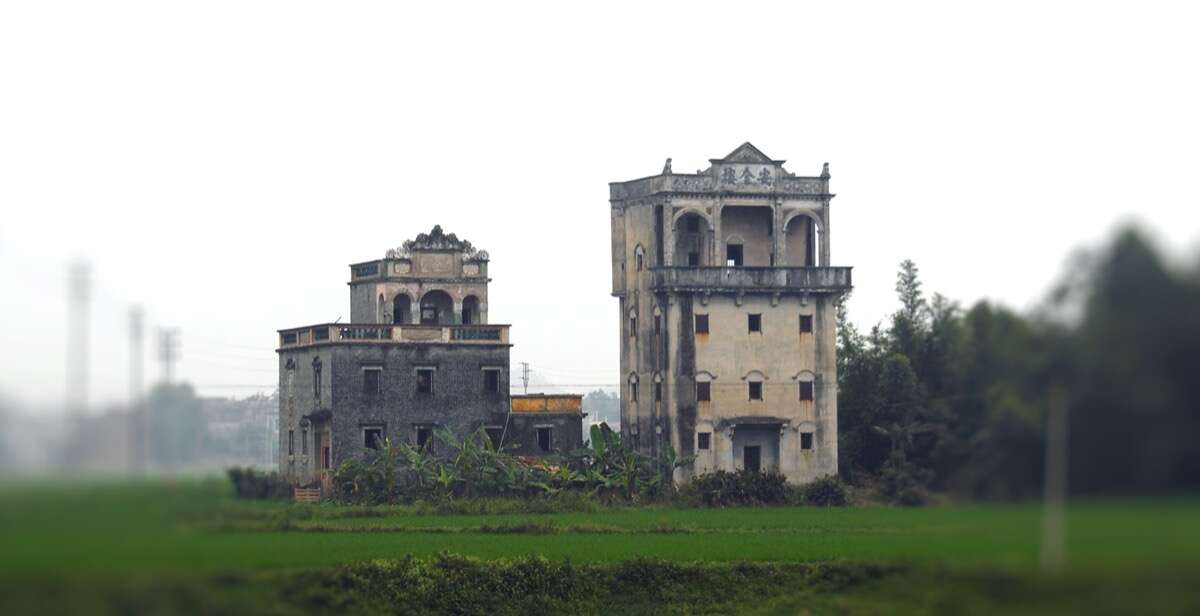
Between 1865 and 1869, approximately 12,000 Chinese workers laid the track that connected America from coast to coast. More than eighty percent came from a cluster of four counties in Guangdong province — an area smaller than Connecticut. Their wages built diaolou towers, their letters…
Between 1840 and 1940, the Siyi (四邑, Four Counties) region of Guangdong sent over two million laborers overseas — the largest sustained labor migration in modern Chinese history. These were not explorers or merchants. They were farmers, woodcutters, and village men who walked from counties like Taishan (台山) and Kaiping (开平) to the departure piers…
The Surname You Already Hold
Your surname is not merely a name inherited from your ancestors. It is a compass — a pointer to a specific village, a specific migration history, a specific set of documentary holdings, and a specific overseas settlement pattern. If you know your surname, and perhaps just one fragment — “Taishan”…
The White Island
The islands rise from the Pacific as white cliffs — not of chalk, not of limestone, but of guano (鸟粪, niǎofèn), the accumulated excrement of millions of seabirds deposited over millennia, thirty to fifty meters deep in places. There is no vegetation. No soil. No fresh water. Only guano, rock, and the…