

The Li (黎) Surname: From the Ancient State of Li to the Wuyi Diaspora
The Siyi region of Guangdong sent over two million people overseas between 1840 and 1940 — and among the surnames carried in that great crossing was 黎 (Li), a name whose written form had already endured for over two thousand years, from an ancient state destroyed in the Zhou conquest to the ancestral halls of Enping and the gold mountains of America.
That crossing began in the Siyi (四邑, Sìyì) — the Four Counties of Xinhui, Taishan, Kaiping, and Enping, remembered today as the five-county Wuyi (五邑, Wǔyì) — hilly, crowded districts whose sons went wherever the nineteenth century had a railroad to build or a mine to dig. Among the names they carried was 黎 (Lí), a character meaning both “many” and a deep dark color.
A Name Older Than the Crossing
The Li genealogies do not choose between their origin stories; they stack them. Three traditions sit on the same page, never adjudicated.
The first is an ancient state. 古黎国 (Gǔ Lí guó, the ancient state of Li) was a Shang-era state of the 子姓 (Zǐ) line, destroyed in the 西伯戡黎 (Xībó kān Lí, “the Earl of the West subdued Li”) episode of the Zhou conquest — recorded in the Book of Documents and in Sima Qian’s Records of the Grand Historian, where the state appears as 耆 (qí), a phonetic twin of 黎. Records suggest two Shang-era Li states, one in today’s Shanxi, one west of Shandong’s Yuncheng; the descendants of the conquered states took the lost state’s name as their surname, 以国为氏 (yǐ guó wéi shì, “the state becomes the name”).
The second tradition reaches into legend. 九黎 (Jiǔ Lí, the Nine Li) was the confederation of 蚩尤 (Chī Yóu), the great adversary of the Yellow Emperor at the dawn of Chinese myth; the Han-era Fengsu Tongyi (风俗通义) derives the surname from “the descendants of the Nine Li.” The third names a single man: 丰舒 (Fēng Shū), a minister of the Red Di state of Lu, listed in the surname encyclopedias as 得姓始祖 (dé xìng shǐzǔ, the ancestor who received the surname), with descent traced to the Shang founder Tang.
Above these divergent stories sits a stabilizing roof: 京兆堂 (Jīngzhào táng, the Jingzhao Hall), the clan’s 郡望 (jùnwàng, commandery seat), traced by the clan corpus to 黎干 (Lí Gān), a Tang minister who served as 京兆尹 (Jīngzhào yǐn, governor of the Jingzhao commandery around Chang’an). Other seats are remembered too — including 九真 (Jiǔzhēn) in Vietnam, where Li is today the second-largest surname. A hall name gave the clan a single address above its contested beginnings.
How many people carry the name? Estimates cluster around two to three million, ranked about 82nd among Chinese surnames, with Guangdong and Guangxi holding about 46 percent. And every major Li branch in Guangdong tells the same story of how it got there: through a single famous lane.
Zhujixiang: The Corridor South
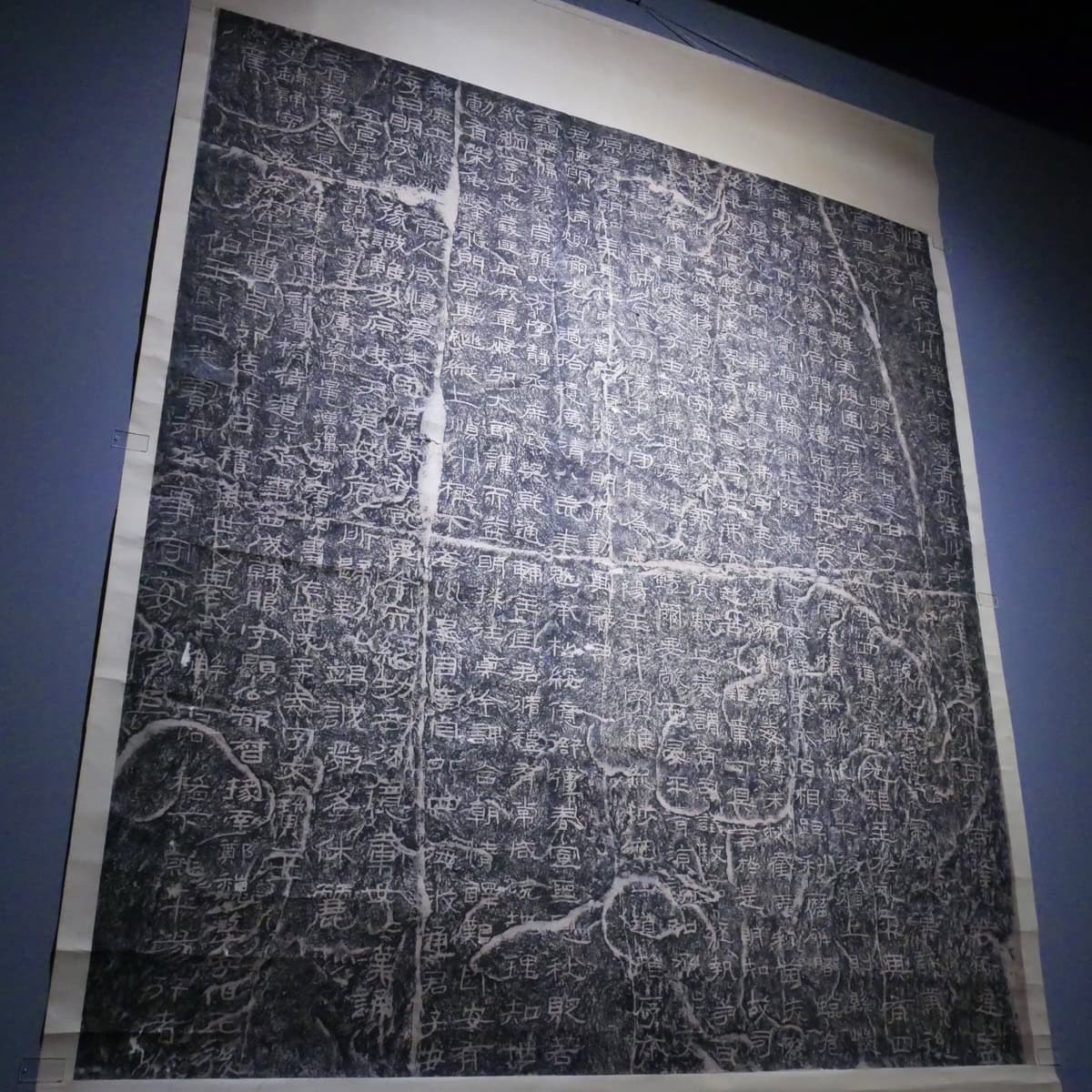
The route runs over 梅岭 (Méi lǐng, the Mei Pass) on the Dayu range, down to 南雄 (Nánxióng), and through 珠玑巷 (Zhūjī xiàng, Zhujixiang Lane) into the Pearl River Delta. Originally 敬宗巷 (Jìngzōng Lane), it became Zhujixiang — “lane of pearls and jade” — from a Tang-era story of a filial Zhang family honored with an imperial jade girdle (珠玑绦环). When the Song court fled south, officials crossing the pass named their new settlements after the lane.
Every major Guangdong Li branch carries this corridor in its preface. The 番禺新造 (Pānyú Xīnzào) register records founding ancestor 念泗 (Niànsì) of 崇宁五年 (1106); the 西樵 (Xīqiáo) preface in 南海 (Nánhǎi) recalls that “our ancestor Yilin and his seven brothers, in the 咸淳 years (1265–1274), settled west of Qiaoshan”. The pattern recurs: four brothers, four households, one surname scattered across the delta.
The origin story attached to the lane is remembered, contested memory. The best-known version tells of a Song consort, 胡妃 (Hú fēi) or, in some tellings, 苏妃 (Sū fēi), who fled the palace, was sheltered by a Nanxiong grain official, and whose discovery nearly brought massacre to the lane; a scholar named 罗贵 (Luó Guì) is said to have led 33 surnames and 97 households south on rafts to settle at 良溪 (Liángxī) in Xinhui. Li appears on the circulating roster of those 33 surnames — present, but not among the leaders. Guangdong’s own government treats the consort story as folklore — provincial intangible heritage — while treating 罗贵’s 97 households as grounded in record. Both registers are kept here.
What matters for the surname: this lane is where the Li branches of Guangdong locate their common ancestral home, their prefaces dating the entry to the Song. The lane is real, and it still exists; in 2008 it would receive the diaspora back.

The Enping Lineage Takes Root
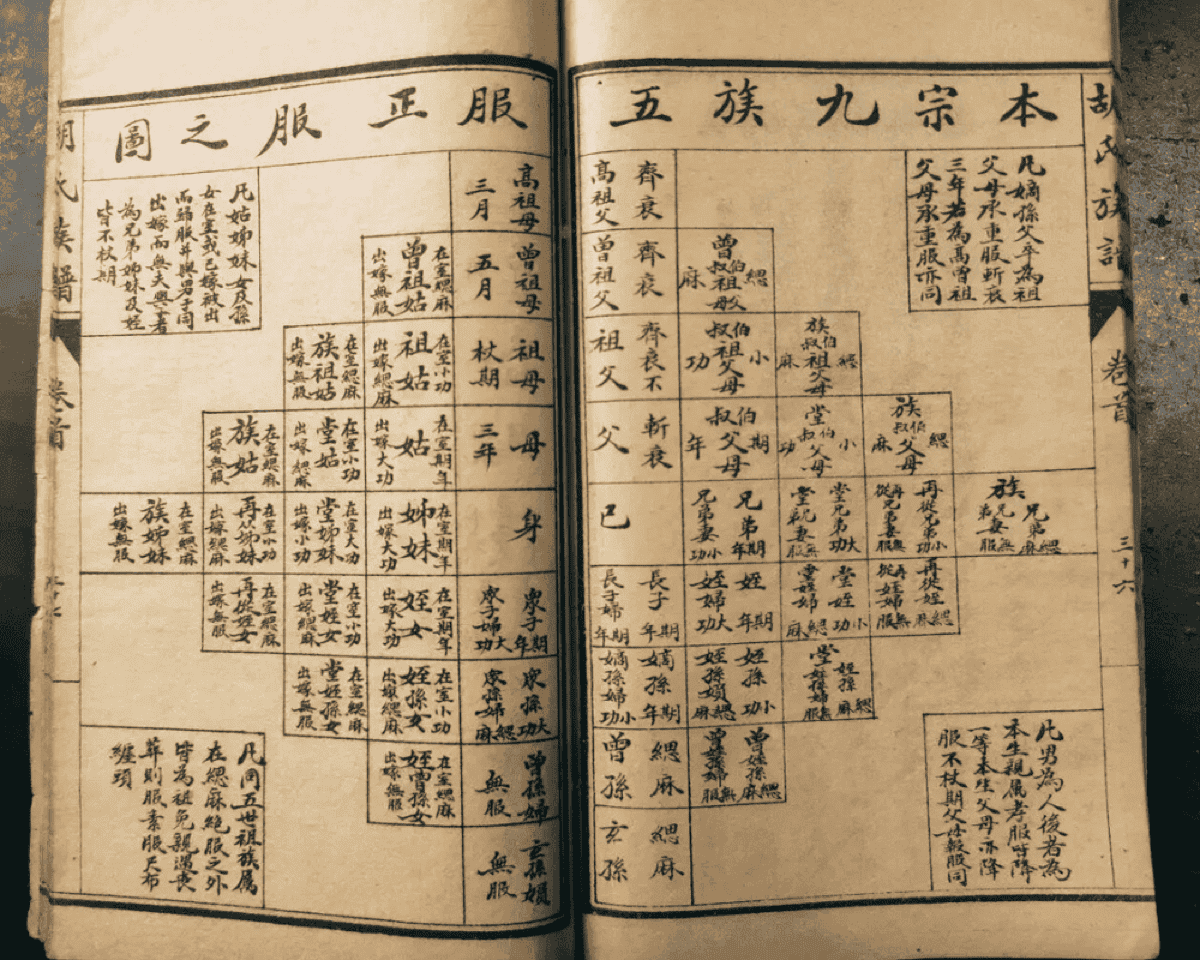
The core Wuyi lineage is in 恩平 (Ēnpíng). Its record is the 《恩平黎氏族谱》 (Ēnpíng Líshì zúpǔ, the Enping Li Clan Genealogy), recompiled in 1998 by a clansmen’s committee under the editorship of 黎健明 (Lí Jiànmíng). The register opens with 始祖 (shǐzǔ, founding ancestor) 鹏 (Péng), courtesy name 君则 (Jūnzé), style 待举 (Dàijǔ) — 待举公 (Dàijǔ gōng, Lord Daiju) — a Song-dynasty figure; beneath him stand four 始迁祖 (shǐqiānzǔ, first migrant ancestors), his sons 广立 (Guǎnglì), 胜一 (Shèngyī), 胜二 (Shèng’èr), and 胜三 (Shèngsān) of the Yuan dynasty. The four brothers are the register’s organizing structure: every Enping branch descends through one of them.
The clan account holds that 待举公 was a Southern Song 进士 (jìnshì, highest-degree graduate) and 翰林学士 (Hànlín xuéshì, Hanlin academician) from 雩都 (Yúdū) in Jiangxi’s Ganzhou, demoted to Guangdong for remonstrating with the throne, who settled at 古冈 (Gǔgāng) 都会里 in 新会 (Xīnhuì) — the county that would later claim the film pioneer 黎民伟 as a native son. The scholarly caveat must sit beside the clan account: genealogists flag the 待举 line as a “later fit” against the wider delta branches’ Song-end dispersal, and the corpus itself disagrees about the founding generation — some chains run through an ancestor named 以敬 (Yǐjìng) instead of the four brothers. Unbroken descent from Song to present is a continuity project, not a neutral record; both versions are presented here.
The village geography is specific and nameable. The Li comprehensive genealogy (黎氏通谱) maps the Enping settlement through the 北正黎 (Běizhèng Lí) descent lines: 那吉镇 (Nàjí town) 云礼村 (Yúnlǐ village) and a ring of hamlets around it; 平石镇 (Píngshí town) 大松岭村; 东安镇 (Dōng’ān town) 牛荷村; 大槐镇 (Dàhuái town). Into 开平 (Kāipíng): 大沙镇尖石村 (Dàshā town, Jiānshí village). Westward the branches run to 阳春 (Yángchūn), 阳江 (Yángjiāng), 高州 (Gāozhōu), and 茂名 (Màomíng) — the surname spreading through western Guangdong. A reader whose grandfather named one of these villages may find their branch on this map.
One village carries its own survival story. 云礼石头村 (Yúnlǐ Stone Village) in Naji town is built of stone, and its legend tells of the tenth-generation ancestor 黎源广 (Lí Yuánguǎng) — a geomantic burial, eight sons, a single survivor, 振胜 (Zhènshèng), raised by a Ma aunt from Yangjiang. Records suggest the legend is village memory rather than settled history; either way, it is the clan’s account of endurance at village scale.
A Literate Clan, and a Name That Insists on Itself
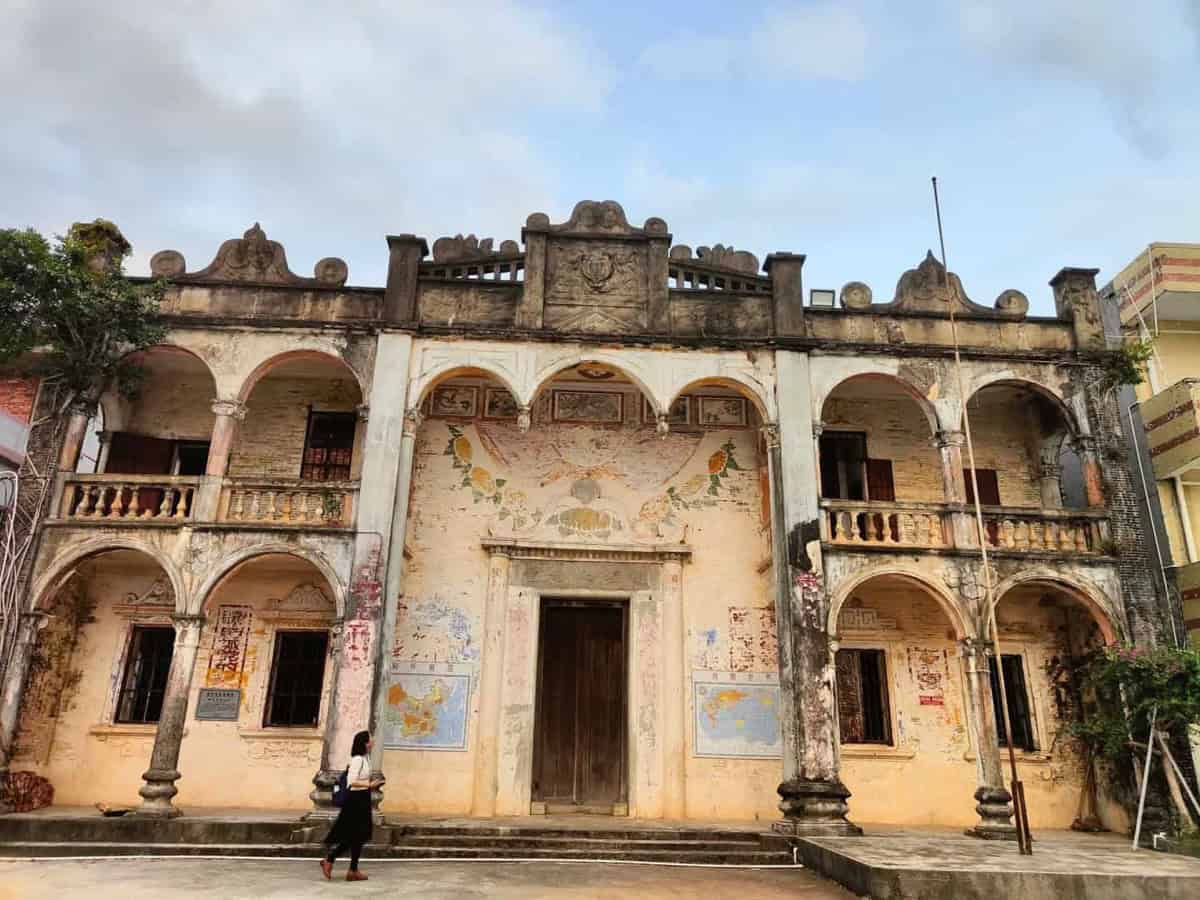
Before the departure, the name accumulated prestige. Three figures anchor a 400-year run of Li literary achievement, their 科举 (kējǔ, examination) and 功名 (gōngmíng, official honor) records embedded in the registers.
黎民表 (Lí Mínbiǎo, 1515–1581) was one of the 南园后五子 (Nányuán Hòu Wǔzǐ, the Five Later Masters of the Southern Garden) and author of the sixteen-volume 瑶石山人诗稿 (poetry collection). One caution: the Guangdong gazetteers list him as a man of 从化 (Cónghuà), while the clan corpus claims him for 南海 (Nánhǎi) and Xiqiao; the matter is attributed, not asserted.
黎遂球 (Lí Suìqiú, 1602–1646), of 番禺板桥 (Pānyú Bǎnqiáo), won the title that made his name. In 1639, on the road home from failed examinations, he passed through Yangzhou, where 郑超宗’s (Zhèng Chāozōng) garden was in bloom with yellow peonies; he wrote ten poems on the flowers, and 钱谦益 (Qián Qiānyì), the era’s greatest critic, judged them first. He was crowned 牡丹状元 (mǔdān zhuàngyuán, the Peony Laureate) — a title as much legend as honor. When the Qing armies came south, he died defending Ganzhou at forty-five, posthumously honored 忠愍 (zhōngmǐn, “loyal and pitied”), counted among the 南明五忠 (Nánmíng Wǔ Zhōng, the Five Loyalists of the Southern Ming).
黎简 (Lí Jiǎn, 1747–1799) of 顺德 (Shùndé), style 二樵 (Èrqiáo), was one of the 岭南四家 (Lǐngnán Sì Jiā, the Four Masters of Lingnan) — master of poetry, calligraphy, painting, and seal-carving, famously rude to the visiting celebrity 袁枚 (Yuán Méi), poor in life, famous after death.
The registers also hold something rarer: an argument. The 源流 (yuánliú, origin) texts actively defend the surname’s ancient pedigree against homophone confusion with 李 (Lǐ) and 利 (Lì) — and the defense is a practical key for anyone searching records today. In the Siyi dialect spoken by the Wuyi emigrants, 黎 renders as “Lai” in English-language records, while 李 renders as “Lee” — and 利 (Lì) also romanizes “Lee,” a third homophone compounding the muddle. Yet search for a “Li family association” in America and the results are overwhelmingly Lee institutions: 李氏 (Lǐ shì) associations from San Francisco to Victoria, all 李, none 黎. This is how descendants lose their Li ancestors — a surname absorbed into a homophone. The key, with its caution: in old Siyi-dialect records, look for “Lai” — and remember that transcription errors cut both ways. It is the distinction that separates this article from its Lee surname sibling.
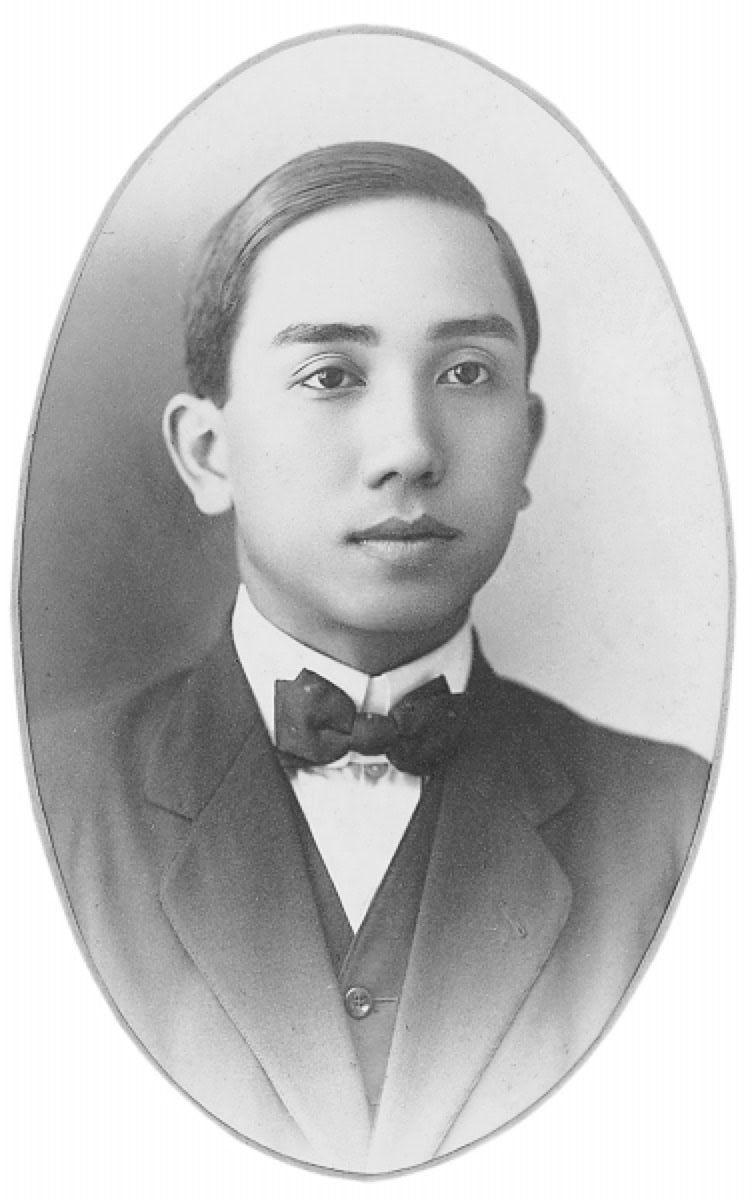
The name’s bridge into the twentieth century is 黎民伟 (Lí Mínwěi, 1893–1953) — Lai Man-wai — the Wuyi–Hong Kong axis personified. Born in Yokohama in 1893; his 祖籍 (zǔjí, ancestral home) was 新会会城镇 (Xīnhuì Huìchéng town) — not Kaiping, as sometimes claimed. He joined the Tongmenghui at twenty; in 1913, with his elder brother 黎北海 (Lí Běihǎi) and his wife 严珊珊 (Yán Shānshān), he made 《庄子试妻》 (Zhuāngzǐ Shì Qī, Zhuangzi Tests His Wife) — Hong Kong’s first story short, the first Chinese film with special effects, and 严珊珊 its first female screen actress. He founded 民新影片公司 (Mínxīn Yǐngpiàn Gōngsī, China Sun Motion Picture Company) and co-founded 联华影业 (Liánhuá Yǐngyè, Lianhua Film); when Hong Kong fell in 1941 he refused to collaborate; Sun Yat-sen had written him 天下为公 (tiānxià wéi gōng, “the world belongs to all”); a 2010 statue of him stands at Jiangmen’s Star Park.
The Great Departure
Why did they leave? The push factors were structural and local at once. Land in the Wuyi hills was scarce and subdivided past usefulness; 械斗 (xièdòu, lineage feuds) between villages turned periodic and deadly; unrest came and went. And there was a culture of migration — by the nineteenth century the question in an Enping village was not whether a young man would go, but where.
They went in four waves, the standard rhythm of the Wuyi diaspora: the 1840s–60s gold rush and coolie trade, the 1870s–90s railroad era, the 1900s–30s North American peak, and the 1937–49 wartime return. Li villagers left in every wave. The poorest traveled on 赊单制 (shēdān zhì, the credit-ticket system): a broker or a relative advanced the fare, and the emigrant worked off the debt in gold fields, railroad camps, or cane fields — the mechanism detailed in this history of the Taishanese credit-ticket migration.
The labor they entered spanned a spectrum of brutality and endurance. Coolie contracts carried some Li to Cuba, Peru, and Mexico, under conditions documented in the history of the coolie trade. Railroad crews — Central Pacific, Canadian Pacific — took others, work so dangerous that the story of the Chinese railroad workers is a ledger of names and deaths. And in the older, larger circuit — Malaya and Singapore, tin mines and rubber estates — Southeast Asia came first, and came bigger, than America.
The migration moved along kinship lines. Father to son, brother to brother: an established emigrant sent word and passage money, and the chain pulled whole segments of a 房支 (fángzhī, branch lineage) across the ocean — which is why the register’s branch structure, the four sons of 待举公 and their descendants, became a migration map. One branch fed one street in San Francisco’s Chinatown; another fed a tin-mining district in Perak. The five counties of Guangdong sent more than two million people this way; today Enping alone counts roughly 484,000 overseas residents across 67 countries — Venezuela, at about 180,000, the largest concentration. Hong Kong served as the hinge — transit point, remittance entrepôt, second home — carrying 黎民伟’s career as surely as anyone’s passage money.
Gold Mountain and Exclusion
What the emigrants found was Gold Mountain (金山, Jīnshān) — and a door that closed. The Chinese Exclusion Act of 1882 barred Chinese laborers from the United States; the Geary Act of 1892 extended the ban; the Immigration Act of 1924 shut nearly everything else. For sixty-one years the Li of Enping and Taishan lived inside the consequences.
Exclusion redirected the flows. With America closing, more villagers turned to Malaya and Singapore — the Southeast Asian circuit intensified — and to Latin America: Cuba, Peru, then Venezuela, whose modern concentration of Enping families is the long echo of that redirection. For those who still aimed at America, the door left open was paper. 出世纸 (chūshēng zhǐ, “birth paper”) — the paper-son system: a citizen’s slot, real or claimed, sold to an aspiring emigrant, who then memorized a coached 口供 (kǒugòng, testimony): names, relationships, the layout of the village house, even the name of the neighbor’s dog. Enping families kept two sets of records in parallel — the real genealogy at home and the paper identity for the immigration officer — both legitimate in different registers. This was a community survival strategy under an unjust law, not individual fraud; the psychological cost was a coached identity lived for decades, a man answering to a name that was not his own until the name became his.
For those detained at Angel Island (天使岛) in San Francisco Bay, the wait could stretch for months, the barracks walls carved with poems of anger and hope. No Li-surname case from Angel Island has been verified in the accessible record — an honest gap: a “Lai” file is exactly what a descendant might find, and the closing section says where to look. The 1943 Magnuson Act repealed exclusion with a token quota and began the turn from sojourner to settler: wives and children started to come; the bachelor society began to end. But for the families left in Enping and Kaiping villages, the decades of separation were already built into the household form itself — and the form had a name.
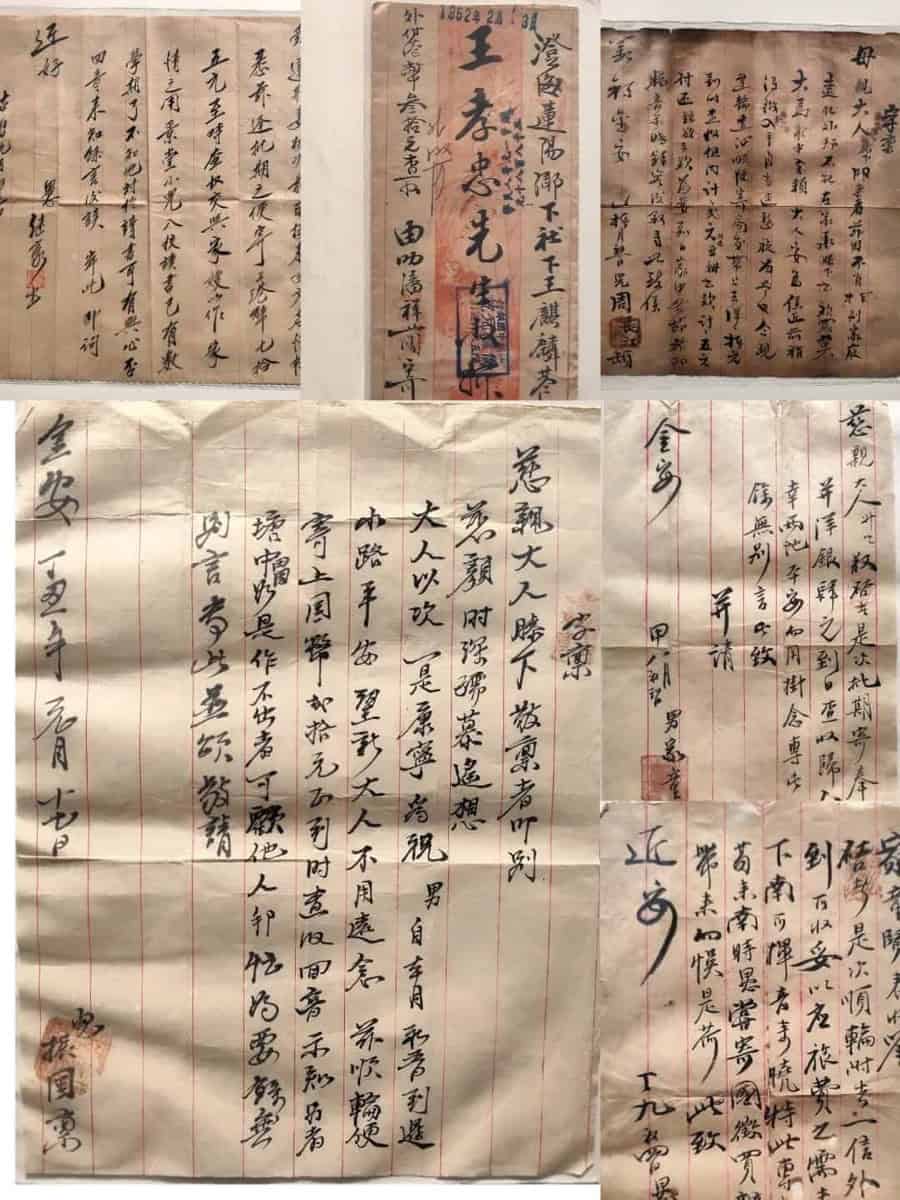
Yinxin: Money Plus Message
The spine of the transnational Li family was a piece of paper: 银信 (yínxìn, “silver letter”), the Wuyi term for the letter-plus-remittance known across the south as 侨批 (qiáopī, qiaopi). The institution is documented at the highest level: the Wuyi region holds roughly fifty thousand qiaopi; the Wuyi Overseas Chinese Museum (五邑华侨华人博物馆) in Jiangmen runs a dedicated silver-letter exhibition; Taishan has its own yinxin museum; and in 2013 UNESCO inscribed qiaopi and yinxin on the Memory of the World Register.
The machinery moved money and message together. 银信局 and 批局 (yínxìn jú, pī jú — remittance houses), 金山庄 (Jīnshān zhuāng, “Gold Mountain firms”), and silver shops (银号) formed the network; over it moved the human channels — 水客 (shuǐkè, couriers who carried letters and silver) and 巡城马 (xúnchéng mǎ, “patrol horse,” the last-mile couriers who walked silver to village doors). Every round trip closed with 回批 (huípī, a reply receipt) — the wife’s confirmation, signed by hand or by a scribe. No letter went unanswered; the system depended on it.
The letters spoke in documented conventions. They open 敬禀父母 (jìng bǐng fùmǔ, “respectfully informing Father and Mother”) or with 叩安 (kòu ān, “kneeling for your peace”); the remittance is framed as 奉养 (fèngyǎng, the duty of support); the instructions repeat the same plea, 读书嘱托 (dúshū zhǔtuō, the charge to keep the children in school). The money was the message’s body; the message was the money’s soul. And there was the grief register: the 空批 (kōng pī, the “empty letter”) — an envelope that arrived with the silver lost or stolen en route, its sorrow readable in what was not there. No specific letter’s contents are invented here — the forms themselves carry the family.
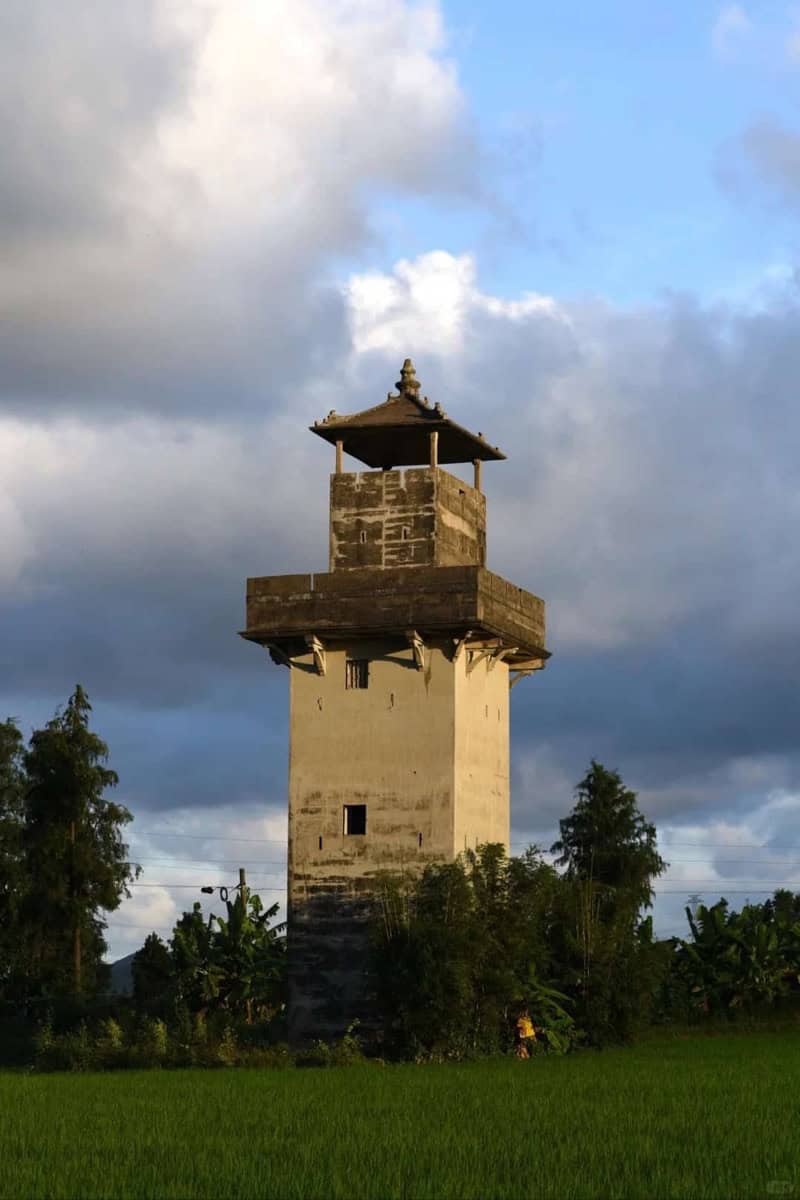
What the remittances built surrounds the villages still: 侨房 (qiáofáng, overseas houses), 庐 (lú, country villas), 碉楼 (diāolóu, defensive towers), schools, roads, hospitals, ancestral-hall repairs. In the villages of Enping and the border towns of Taishan (台山, Táishān), the built landscape itself is a remittance receipt. The wartime years, 1937–45, severed the channels; the remittances that still moved became 救国捐 (jiùguó juān, national-salvation donations). Then the letters stopped, and the families waited.
The Gold Mountain Wife and the Split Household
The letters’ named recipients were the women who ran the split households: the 金山婆 (Jīnshān pó, “Gold Mountain wives”). A bride married for a few weeks or months; a husband gone for twenty or thirty years; after 1924, return passage effectively closed. Separation was not an episode in this family form — it was the structure.
The Gold Mountain wife ran everything. The farm, the rites, the children, the ancestral obligations — and the remittance economy: receiving the silver and deciding what it built. The 回批 she signed was a financial instrument. One woman, two economies: the village economy of land and rice, and the transnational economy of silver and letters. Her agency was real — over building, schooling, marriage, land — in a society that gave her no formal authority to match it. The women of the Wuyi diaspora carried this doubled life across the region, and the Li households of Enping and Kaiping were among them.
Literacy ran through scribes. Many wives could not read the brush-written letters; a 代书先生 (dàishū xiānsheng, letter-writing master) read them aloud and wrote the replies; the wife signed with a mark or a seal. The genealogies record her as “wife of” — a 配偶-only (pèi’ǒu, spouse) entry, no given name — while the letters record her as manager, signer, and head of household. The registers and the letters disagree about who mattered; the letters are closer to the truth.
Some marriages crossed the ocean before they began. 隔洋婚姻 (géyáng hūnyīn, “marriages across the sea”): courtship conducted by letter and photograph, a man in San Francisco choosing a bride in Enping through a matchmaker’s correspondence and a studio portrait, the wedding held in absentia or at a single brief return. And in the 洋楼 (yánglóu, Western-style houses) the remittances built, the yinxin envelopes were kept as objects: paper, silver, and the presence of an absent man. The home was an archive.
One Lineage Across Borders
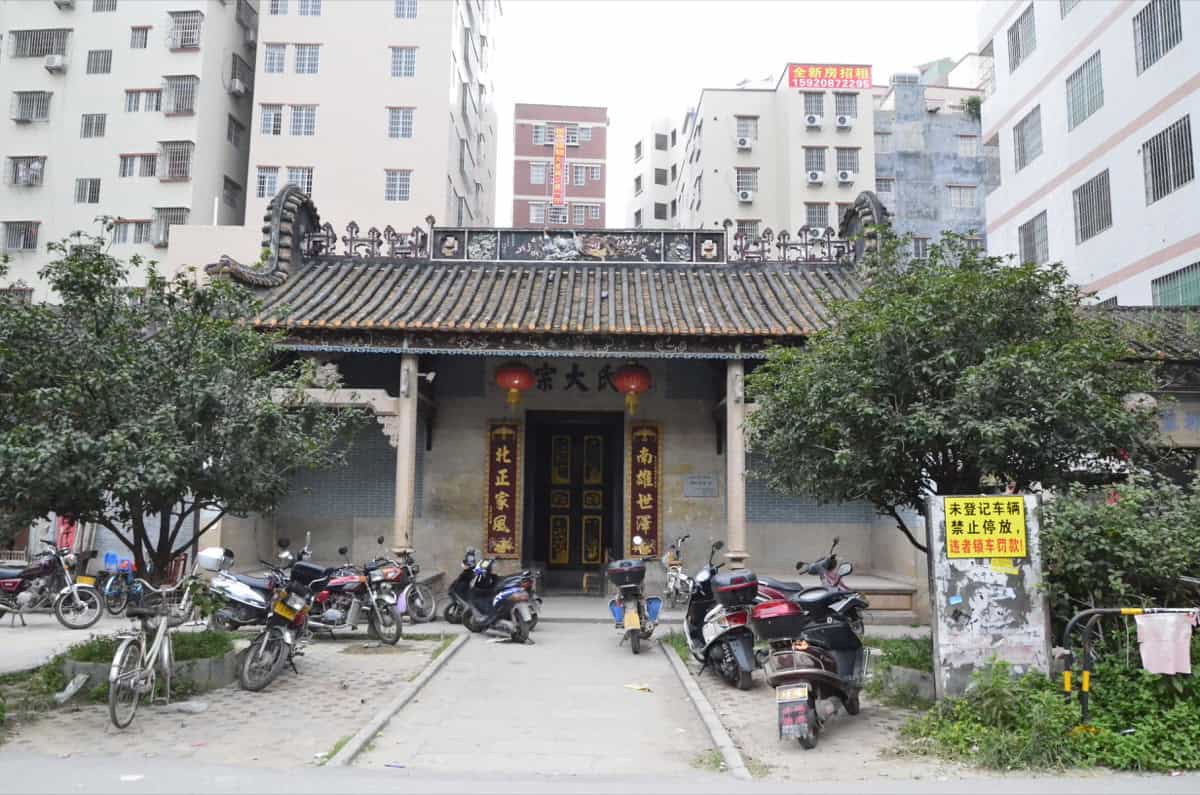
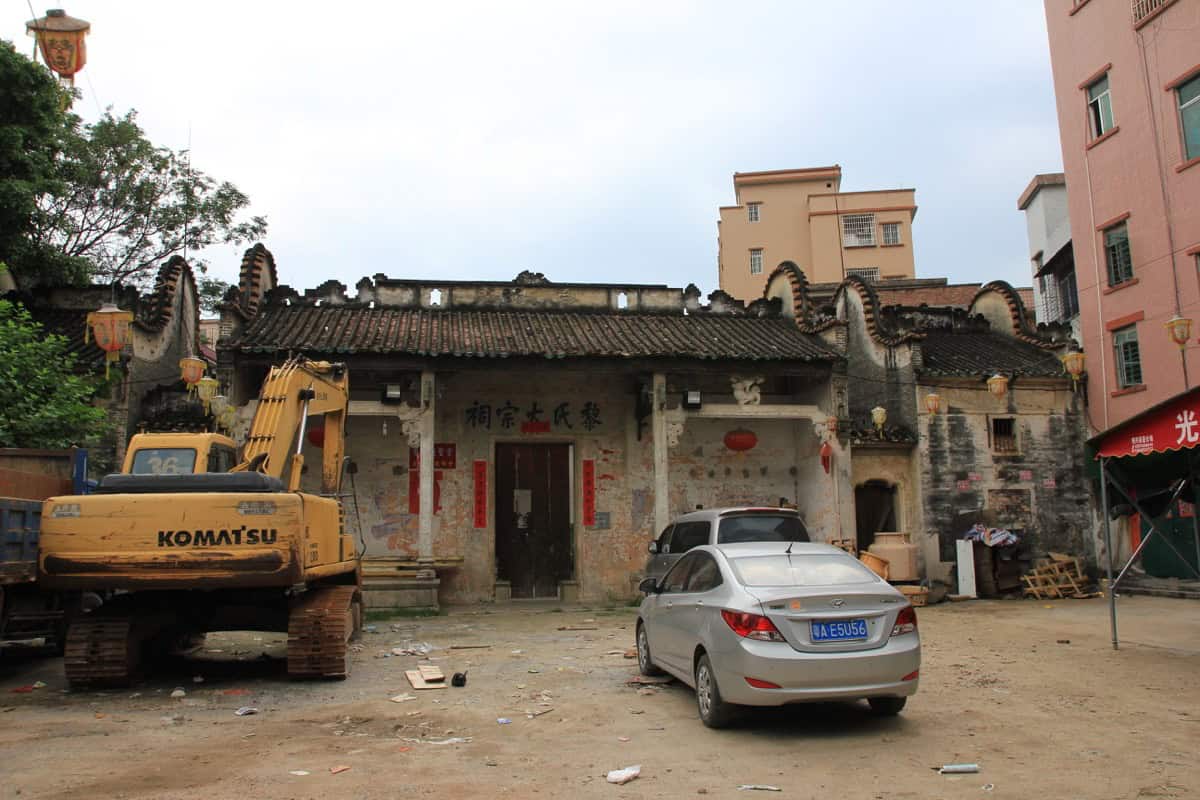
The clan’s material and moral center — 黎氏宗祠 (Lí shì zōngcí, Li ancestral halls) — stands in two verified, photographable monuments. The first is 黎永思堂 (Lí Yǒngsī táng, the Hall of Eternal Remembrance) at 番禺板桥 (Pānyú Bǎnqiáo) — 黎遂球’s shrine, rebuilt in 1687 by his sons after the original was destroyed in the wars. Its gate plaque reads 北正明宗 (Běizhèng míng zōng, “the bright lineage of the Northern Regulator”); its archway reads 忠孝廉节 (loyalty, filial piety, integrity, frugality); its couplet claims 一门五名宦,四代七乡贤 (“one gate, five officials; four generations, seven village worthies”). It has been a Guangzhou municipal heritage site since 1989. The second is the 黎氏大宗祠 (Lí shì Dàzōngcí, Great Li Ancestral Hall) at 潢涌 (Huángyǒng) in Dongguan, founded in 1173 to honor 黎宿 (Lí Sù), whose filial act — cutting flesh from his own body for his mother’s medicine — won imperial recognition and the inscribed gate 德本坊 (Déběn fāng, “Virtue-Root Archway”); it is one of Guangdong’s oldest halls, a provincial heritage site since 2002.
An honest correction belongs beside these: no Li ancestral hall has been verified in Kaiping’s Chikan, whose documented clans are the Guan and the Situ; the Li clan’s standing monuments are Panyu and Dongguan, with Enping’s own halls documented in the registers but not verified as standing structures.
The ritual calendar held the lineage together: 清明 (Qīngmíng, the grave-sweeping festival) and 春秋二祭 (chūnqiū èrjì, the spring and autumn rites), maintained by remittances, along with the upkeep of 祖坟 (zǔfén, ancestral graves) and 太公山 (tàigōng shān, the founding ancestors’ hillsides). The clearest visible loop of ritual and remittance: in 1999 the 香港黎氏宗亲会 (Xiānggǎng Líshì Zōngqīnhuì, Hong Kong Li Clan Association) expanded 待举公’s tomb at Xinhui’s Fenghuang Mountain and in 2000 it hosted the second 恳亲大会 (kěnqīn dàhuì, kinship reunion convention) there, reportedly attended by more than twenty thousand people.
Abroad, the lineage organized in the diaspora’s dual structure: county 同乡会 (tóngxiāng huì, native-place associations) and surname 黎氏宗亲会 (Lí shì zōngqīn huì, clan associations), The genealogy was a transnational membership roll — the clan operating, like the Guan clan, as one body across borders, its rites kept on the ritual calendar of Qingming at home, its banquets held in association halls abroad.
The Name Endures
The transnational field froze in 1949 — borders, letters, remittances. It reopened in 1978: 寻亲 (xúnqīn, kin-seeking) letters began to cross again, 侨汇 (qiáohuì, overseas remittances) resumed, 寻根 (xúngēn, root-seeking) tours followed. The letters moved in both directions — descendants writing to villages, villages writing back with genealogies.
The return was made visible in 2008, when more than thirteen thousand Li descendants from more than ten countries — the United States, Britain, Canada, the mainland, Hong Kong, Macao — gathered at 珠玑巷 itself for the third 恳亲大会, led by 黎子流 (Lí Zǐliú, a former mayor of Guangzhou) and 黎桂康 (Lí Guìkāng, a former deputy director of the Hong Kong liaison office). The lane of Section Two received the diaspora of Section Five. The loop closed.
The clan today runs on a digital infrastructure. 世界黎氏网 (Shìjiè Líshì Wǎng, the World Li Clan Network) publishes the comprehensive genealogy and branch records online — today’s transnational 侨刊 (qiáokān, overseas-Chinese periodical), successor to the 1909 新宁杂志 (Sunning Magazine), the first qiaoxiang journal. Provincial 联谊会 (liányì huì, fraternal associations) run from Fujian to Yibin in Sichuan, where a Jingzhao Hall association restored 黎干’s tomb — the Tang official of Section One. And in 黎城 (Líchéng), Shanxi — the county of the ancient state — clan-funded projects commemorate the 黎侯王陵 (Lí hóu wánglíng, the tombs of the Li marquises) — the ancient state of Section One re-absorbed into modern Li identity.
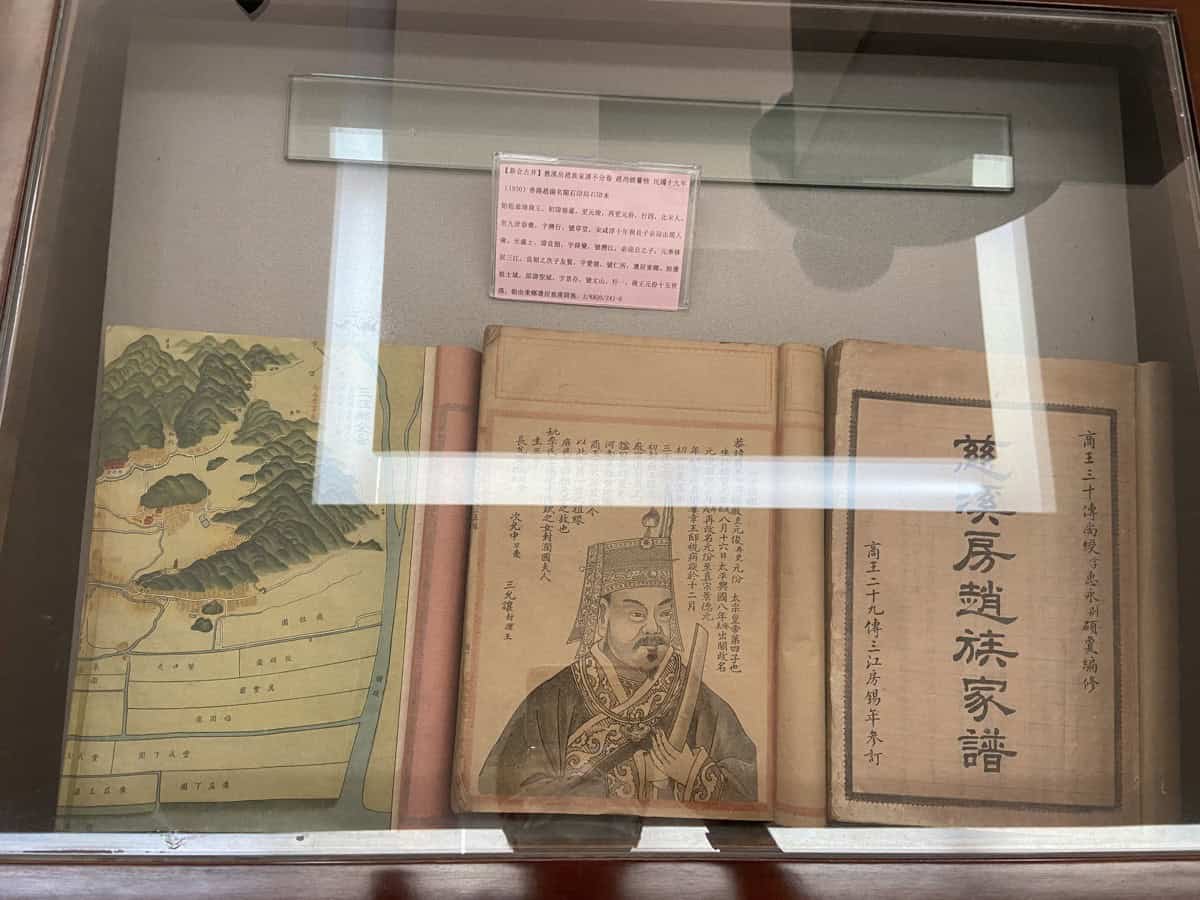
The registers have been renewed by the diaspora they document: the 1998 Enping recompilation and the 2018 republication of the Xiqiao register (《南海西樵黎氏宗谱》), both funded in part by overseas clansmen; a copy of the corpus sits at Harvard-Yenching — the clan’s memory kept in an American library. The 族谱 (zúpǔ, genealogies) are living infrastructure, not museum pieces.
If your name is Li — or Lai in an old record — here is the practical key, in four moves. Find the Enping village: the 云礼村 cluster in Naji town, 大松岭村 in Pingshi, 牛荷村 in Dong’an, or 尖石村 in Kaiping’s Dasha town. Contact a 黎氏宗亲会: the Hong Kong Li Clan Association or a provincial association. Read the 族谱: the 1998 Enping register and the 2018 Xiqiao edition. And search “Lai” in the American records — passenger lists, census returns, paper-son files — remembering that transcription errors cut both ways. The Surname Compass guide walks the whole search through.
The silver letters are there, tens of thousands of them, waiting in the Wuyi museums for a descendant’s name. And the name is still being written: a surname already ancient when the Zhou conquered Shang, carried through 珠玑巷, rooted in 恩平, scattered by exclusion, sustained by letters — now a living, transnational network, its latest 房支 perhaps your own. The ancient state is gone. The poem continues.
Continue Reading
- The Lee (李) Surname: A Thousand Years from Longxi to Gold Mountain
- The Wong Surname: Tracing Its Noble Origins and Global Legacy
- The Guan Clan: History, Legacy, and Resilience in the Chinese Diaspora
- The Siyi Dialect: Preserving the Cultural Heritage of Ancestors Overseas
- Women of Wuyi: Jinshanpo, Amahs, and the Ones Who Left
- Your Surname, Your Compass: A Practical Guide to Wuyi Roots
Stay Connected
Follow RootsOfChina on Facebook and Instagram for new article updates, behind-the-scenes from Kaiping, and stories from the Chinese diaspora.
Sources
- 《恩平黎氏族谱》(Enping Li Clan Genealogy), 黎健明 ed., 1998 — the core Wuyi lineage register; one volume, clansmen recompilation with overseas contributions.
- 《南海西樵黎氏宗谱》(Nanhai Xiqiao Li Clan Genealogy), 广西师范大学出版社, 2018 — the Xiqiao branch register, scholarly republication.
- 《黎氏源流》(The Origins of the Li Surname), 刘兴洲、张熊 eds., 南雄市政协文史资料委员会/珠玑巷后裔联谊会, 1998 — origin traditions, identity defense, corridor prefaces.
- 《五邑华侨华人史》(A History of the Wuyi Overseas Chinese), 梅伟强、张国雄, 广东高等教育出版社, 2001 — four-phase migration waves, labor systems, exclusion mechanics.
- 《银信与五邑侨乡社会》(Yinxin and Wuyi Qiaoxiang Society), 刘进, 广东人民出版社, 2011 — the silver-letter network, letter conventions, split households.
- Madeline Y. Hsu, Dreaming of Gold, Dreaming of Home: Transnationalism and Migration Between the United States and South China, 1882–1943, Stanford University Press, 2000 — exclusion, paper sons, transnational family mechanics.
- 《广东台山华侨史》(A History of the Taishan Overseas Chinese), 张应龙, 广东人民出版社, 2010 — county-level migration record, the “Lai” romanization key.
- 《岭南姓氏族谱辑录》(Recorded Lingnan Surname Genealogies), 骆伟, 广东人民出版社, 2002 — delta-wide Li register corpus.
External Resources:
- 新会区政府网 — 黎民伟 biography (Xinhui District Government)
- 中新社 — 13,000+ Li descendants return to Zhujixiang, 2008 (China News Service)
- 香港黎氏宗亲会 — Li surname origins and the “Lai” romanization (Hong Kong Lai Clan Association)
- 世界黎氏网 (World Li Clan Network)
- 广东侨网 — 世界记忆遗产五邑银信展 (Guangdong Overseas Chinese Affairs Office)
- 台山市政府网 — 银信博物馆与多媒体数据库 (Taishan Municipal Government)
- Qiaopi and Yinxin Correspondence — UNESCO Memory of the World Register
- 族谱网 — 黎氏家族的来源, 濐涌大宗祖堂 (Zupu genealogy encyclopedia)
Suggested Reading
Is this your family’s story?
Roots Of China is built from readers’ family histories. If a story here sounds like your own — a surname, a village, a journey — leave a comment below, or share your family’s story with us and we may be able to help you find your ancestral village.
