A Heart Cut Open: The Birth of the Lin Surname
In the final years of the Shang dynasty, around 1100 BCE, a minister named Bi Gan (比干) walked into the palace of King Zhou (纣王) knowing he would not walk out.
King Zhou was a tyrant — the last ruler of a dying dynasty, notorious…
The Longest Dynasty
The Zhou (周) Dynasty ruled China for nearly eight hundred years — longer than the Roman Empire, longer than any European royal house, longer than most civilizations last at all. From 1046 BCE to 256 BCE, the Zhou kings held the Mandate of Heaven (天命, Tiānmìng), the divine right to rule that…
The Liang (梁) Surname: 2,700 Years from Zhou Dynasty State to Wuyi Diaspora
In 770 BCE, King Ping of Zhou enfeoffed a loyal nobleman named Kangbo as the ruler of a small territory in present-day Shaanxi province. He named it the State of Liang (梁国, Liáng Guó). For 129 years, the state endured — a…
Guanghai: Taishan's Historic Port Town and Its Maritime Diaspora
The Fortress by the Sea
The year was 1387. The Hongwu Emperor, Zhu Yuanzhang, founder of the Ming dynasty, looked at his coastline and saw vulnerability. Japanese pirates — wokou (倭寇, wōkòu) — had been raiding settlements from Shandong to Guangdong. His answer was the largest…
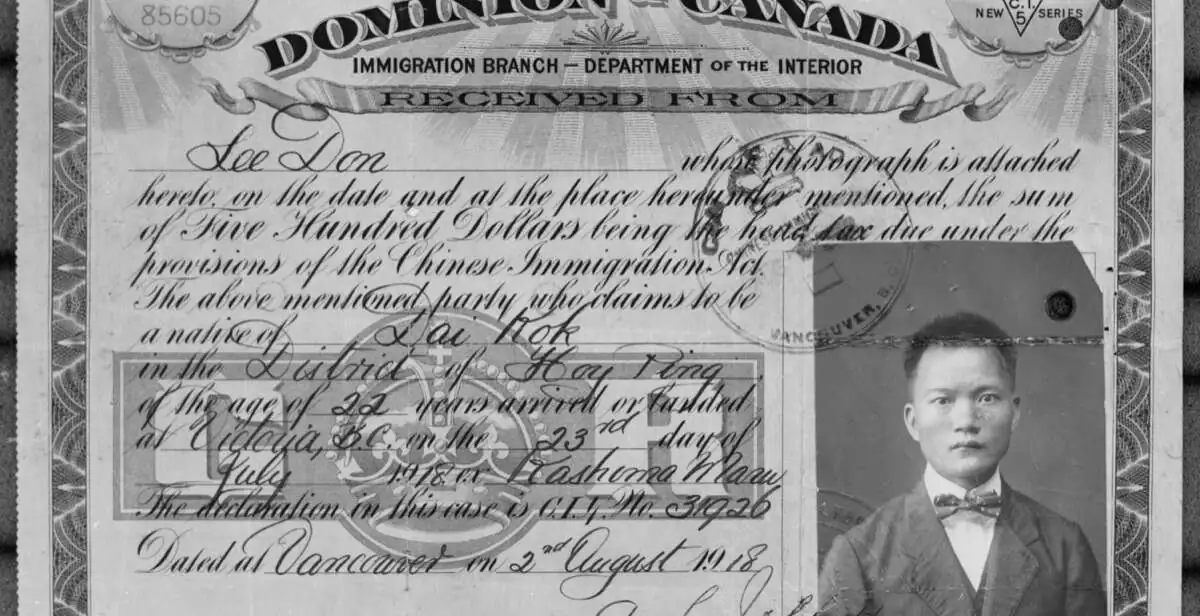
Between 1840 and 1949, the Wuyi region sent over two million people overseas — and for a century, the only thread connecting them to home was paper. The qiaopi (侨批, qiáopī) — remittance letter — doubled as financial transaction and intimate family document: a few silver dollars folded inside a few sentences. Money and love…
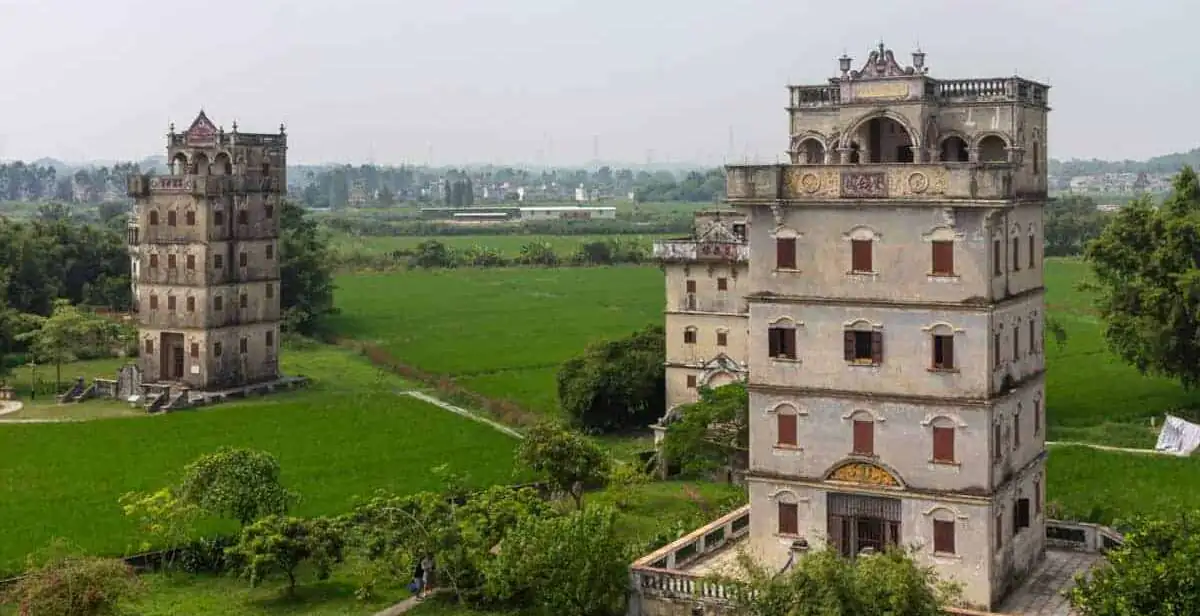
Between 1840 and 1940, the Siyi (四邑, Four Counties) region of Guangdong sent over two million laborers overseas — the largest sustained labor migration in modern Chinese history. These were not explorers or merchants. They were farmers, woodcutters, and village men who walked from counties like Taishan (台山) and Kaiping (开平) to the departure piers…
A guide to reading qiaopi — the remittance letters that sustained Wuyi families for a century. Five representative letters with full translations and analysis, revealing the formula, the feeling, and the family dynamics encoded in every silver letter.
In 1931, at the peak of overseas Chinese remittances to Taishan, ten surname groups pooled their Gold Mountain earnings to build something unprecedented — a 108-building arcaded market town on the banks of the Datong River. The Mei clan held the largest stake, but the Qiu, Cao, Jiang, Liu, Huang, Chen, Li, Tan, and Wu…
The Woman at the Remittance Shop — One Jinshanpo's Story, 1923
In 1923, a woman named Chen A-Mei walked the dirt road to the remittance shop in Taishan city for the 247th time — once a month, every month, for nineteen years. The dust kicked up around her cloth shoes. A woven basket hung from…
When the gold ran out, the Siyi miners did not go home. They picked up hoes instead of picks — and transformed Australian agriculture. By 1900, Chinese market gardeners from five counties in Guangdong's Pearl River Delta — the Five Counties, or Wuyi (五邑, Wǔyì) — supplied an estimated 75 to 80 percent of Sydney's…